Essential Oils Without the Guesswork: A Practical Guide for Everyday Living
Essential oils have become a staple in many homes—for cleaning, emotional support, sleep routines, and overall healthy living. But if you’ve ever paused mid-blend wondering “Is this the right amount?” or “Am I using too much?”—you’re not alone.
One of the most common questions I hear is not which oil to use, but how much.
And the truth is, guessing your drops is often where overwhelm—and sometimes irritation—begins.
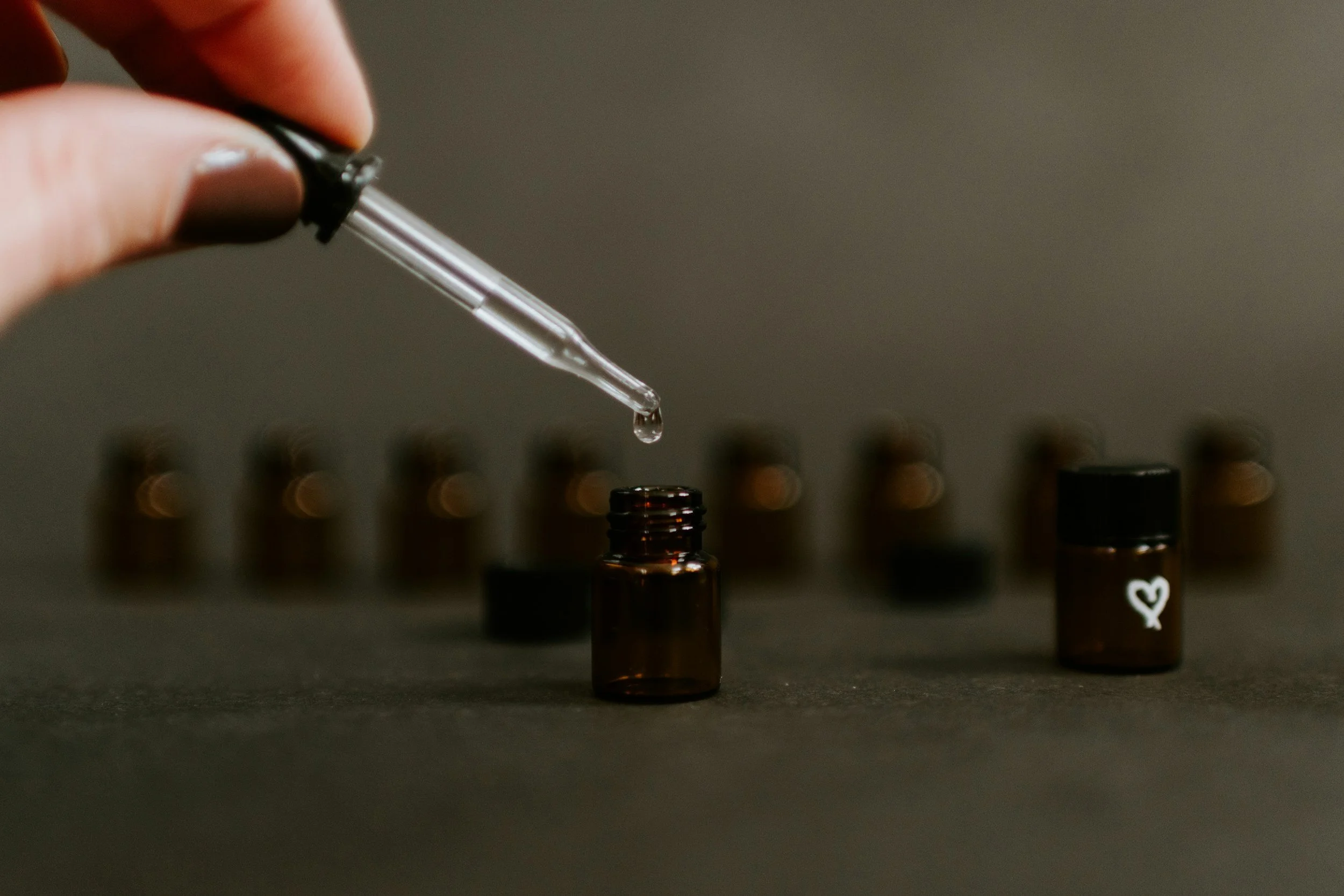
Why Dilution Is the Missing Piece for Most Families
When people start incorporating essential oils into daily life, it usually begins with good intentions:
Reducing toxins in the home
Supporting the body more naturally
Creating calmer routines for the family
(This often happens alongside other shifts, like switching to non-toxic cleaning products or simplifying household wellness habits—something I talk more about in my Detoxifying Your Home with Essential Oils post.)
But essential oils are concentrated plant compounds. Without proper dilution, they can feel “too strong,” especially for children, sensitive skin, or anyone already carrying a lot of daily stress.
Dilution allows oils to work with the body rather than overwhelm it—making them a better fit for everyday living.
Gentle Living Means Using Less, Not More
In the wellness world, it’s easy to assume that more drops mean better results. In reality, essential oils work best when they’re used intentionally and gently.
This matters for:
Children’s developing systems
Adults with sensitivities
Anyone focused on long-term healing rather than quick fixes
Using the right dilution supports consistency—something I emphasize in my Beginner’s Guide to Essential Oils, where I walk through how to build simple, sustainable oil habits without overdoing it.
Why Families Feel Confused About Dilution
Most dilution confusion comes from:
Online recipes without age context
Adult blends being shared for kids
Conflicting advice across platforms
No clear place to double-check ratios
So families either use too much… or stop using oils altogether.
Neither option feels great.
That’s exactly why I created the Stop Guessing Your Drops: Family Dilution Guide—to give families a clear, calm reference point they can return to again and again.
What the Family Dilution Guide Helps With
This guide is designed to support everyday use, not perfection.
Inside, you’ll find:
Simple dilution ratios by age
Guidance for rollers and topical use
Support for building daily routines without overwhelm
A safer foundation for emotional and physical wellness
It pairs naturally with other resources on the site, especially posts focused on:
Creating calmer home rhythms
Using essential oils to support emotional balance
Building a more intentional, healthy living lifestyle
(You’ll see these themes echoed in my writing on healing trauma with essential oils and creating grounding rituals at home.)
Essential Oils as Part of a Bigger Picture
Dilution isn’t just a safety step—it’s part of learning how to slow down and listen to the body.
When oils are used thoughtfully, they become a gentle support rather than another thing to manage. This is especially important for families who are already prioritizing rest, regulation, and a more mindful way of living.
Essential oils don’t need to be complicated to be effective. They just need to be used with care.
Ongoing Support for Intentional Living
Some families want a single guide they can reference and move on. Others find that once they simplify one area—like dilution—they want continued guidance in other areas of wellness as well.
That’s why I offer a growing collection of resources inside my membership space. It’s designed for people who want:
Simple, grounded education
Tools that support daily life
A gentler approach to wellness over time
There’s no pressure—just support when you’re ready.
Start with Confidence, Not Guesswork
You don’t need to memorize ratios.
You don’t need to follow trends.
And you don’t need to guess.
Start with a solid foundation.
Use essential oils gently and intentionally.
And let wellness feel supportive—not stressful.
If this approach to essential oils resonates with you, I’d love to share one of my most meaningful resources.
My Healing Trauma with Essential Oils guide is available for free and offers a supportive place to begin.
Disclaimer: The information shared here is for educational purposes only and is not intended to replace professional medical advice, diagnosis, or treatment.
