If you’ve ever opened a bottle of essential oils and thought, “Okay… now what?” — you’re not alone.
Essential oils can be incredibly supportive tools for everyday wellness, but for beginners, they can also feel confusing, intimidating, or even a little overwhelming. With so many oils, brands, recipes, and opinions out there, it’s hard to know where to start.
This guide is here to gently walk you through the basics—no pressure, no perfection required.
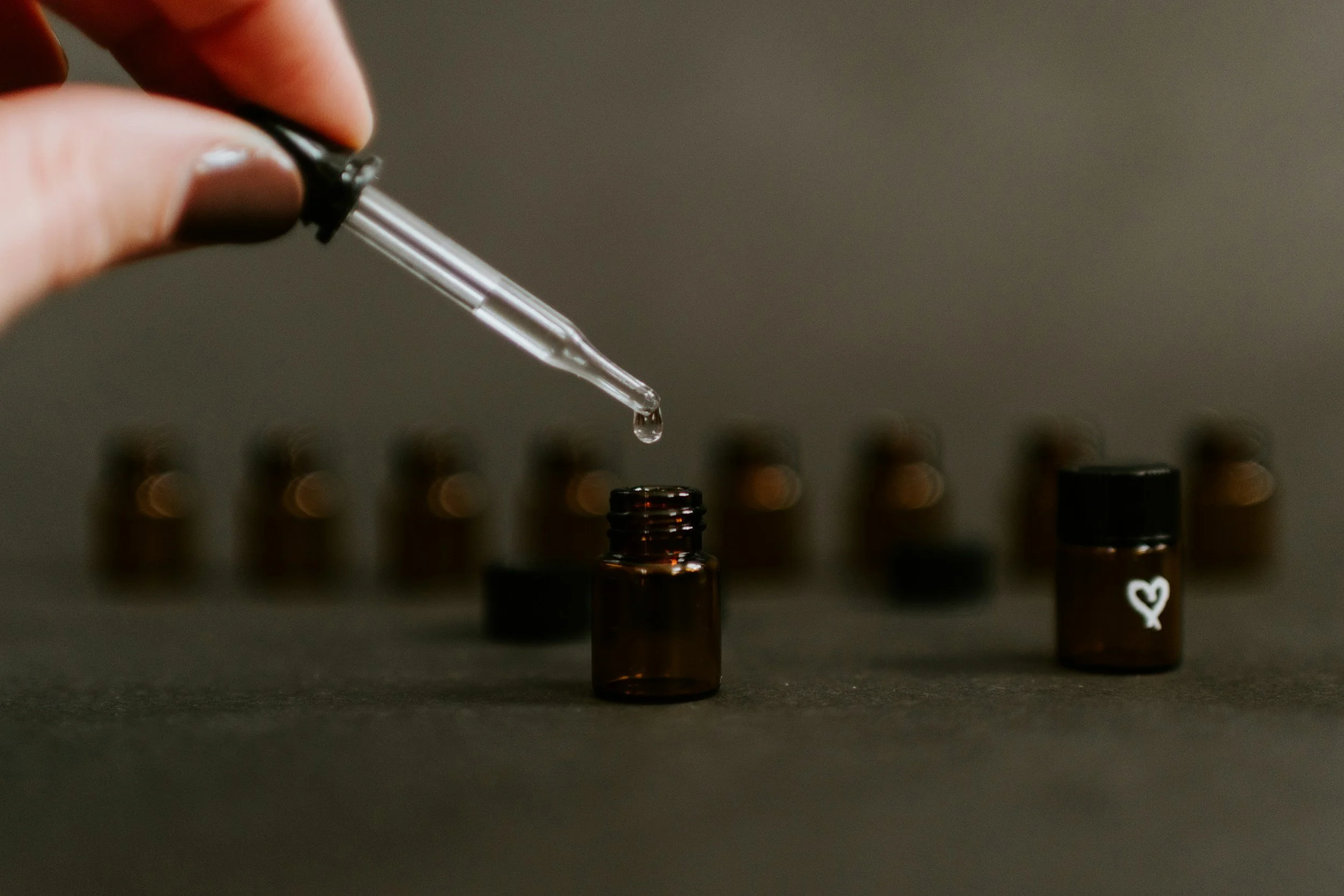
What Are Essential Oils?
Essential oils are highly concentrated plant extracts made from flowers, leaves, bark, roots, or resins. They capture the natural aroma and properties of the plant, which is why just a few drops can go a long way.
People use essential oils to support things like:
Calm and relaxation
Focus and clarity
Sleep routines
Emotional balance
Seasonal wellness
Creating a healthier home environment
Think of essential oils as supportive tools, not magic fixes—simple additions to daily rhythms that encourage balance.
How Do Essential Oils Work?
When you smell an essential oil, the aroma travels through the olfactory system directly to the brain—specifically areas tied to emotions, memory, and stress responses. This is why oils are often used for emotional and nervous system support.
Topical use (when properly diluted) allows oils to be absorbed through the skin, offering localized or whole-body support depending on how they’re used.
The 3 Safest Ways to Use Essential Oils (Especially for Beginners)
1. Aromatic Use (Diffusing or Inhaling)
This is the easiest and gentlest way to begin.
Add a few drops to a diffuser
Inhale directly from the bottle
Place a drop on a cotton ball or tissue
Perfect for emotional support, stress relief, and setting the tone in your space.
2. Topical Use (Always Diluted)
Essential oils should almost always be diluted with a carrier oil (like jojoba or fractionated coconut oil).
Apply to wrists, behind ears, chest, or feet
Use roller bottles for simplicity
Dilution matters—especially for kids, sensitive skin, and long-term use.
3. Home & Lifestyle Use
Oils can be added to:
DIY cleaning sprays
Linen sprays
Shower steamers
Laundry routines
A beautiful way to reduce synthetic fragrances and support a calmer home.
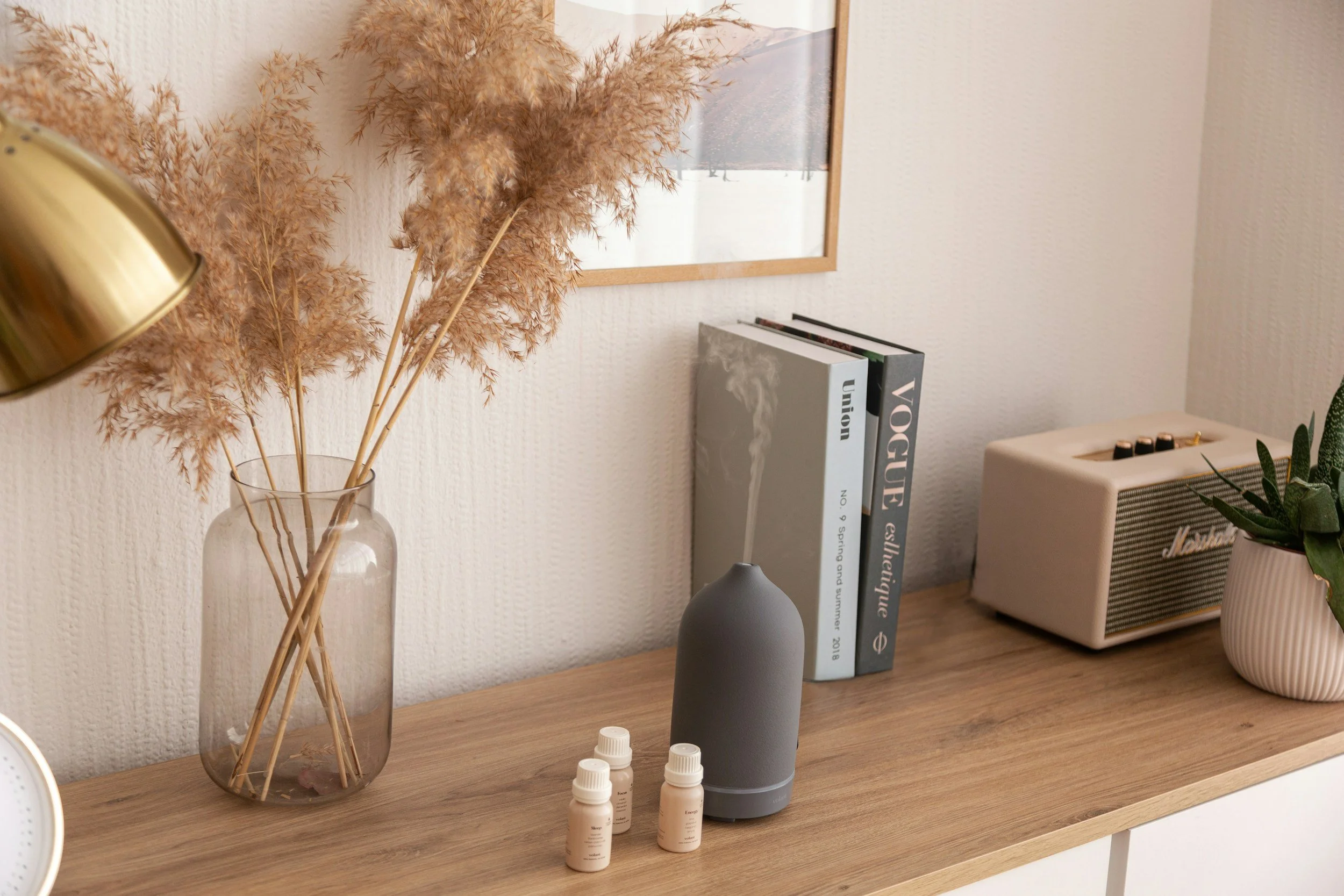
Essential Oils Every Beginner Should Start With
You don’t need dozens of oils to get started. A small, intentional collection is more than enough.
Some beginner favorites include:
Lavender – calming, soothing, great for sleep and emotions
Frankincense – grounding and supportive for stress and reflection
Peppermint – energizing, refreshing, supports focus
Lemon – uplifting, cleansing, great for mood and home use
Tea Tree – supportive for skin and seasonal concerns
Start slow. Learn one oil at a time. Let your body guide you.
Safety First: What Beginners Need to Know
Essential oils are natural—but that doesn’t mean they’re risk-free.
A few beginner safety basics:
Always dilute before applying to skin
Less is more—more drops ≠ better results
Be cautious with children, pets, and pregnancy
Avoid eyes, ears, and sensitive areas
Patch test when trying a new oil
Safe use builds trust and confidence over time.

You Don’t Have to Do This Alone
If you’re new to essential oils, it’s okay to want clear guidance, simple instructions, and reassurance that you’re using them safely.
That’s exactly why I created Beginner’s Guide to Essential Oils—to take the guesswork out and give you a calm, grounded starting point.
✨ Inside the guide, you’ll learn:
How to safely use essential oils with confidence
Simple ways to incorporate oils into daily life
Beginner-friendly tips without overwhelm
Clear explanations made for real life
Whether you’re here for emotional support, a healthier home, or a gentler wellness routine—this guide meets you right where you are.
Feeling overwhelmed by essential oils? I’ve done the work for you. Everything you need to get started—clearly, safely, and simply—is inside my easy Beginner’s Guide.
Grab it now and begin with confidence.
Disclaimer: The information shared here is for educational purposes only and is not intended to replace professional medical advice, diagnosis, or treatment.
